

Pelican Preserve Landscape Services
Sign up now for autumn service and enjoy a vibrant, worry-free landscape all season long!
Get a Free QuoteLandscape Services Tailored for Pelican Preserve, Florida
Expert Lawn Care for Pelican Preserve’s Unique Environment
Pelican Preserve’s subtropical climate brings year-round warmth, but also presents unique challenges for residential landscapes. Homeowners in neighborhoods like Plaza del Sol and along the edges of the preserve’s nature trails contend with summer drought stress, which can leave lawns parched and susceptible to patchiness. Mature oaks and palms provide welcome shade, yet create areas where grass struggles to thrive, requiring specialized turf selection and maintenance. Additionally, the proximity to wetlands and the Cypress Grove can lead to soil erosion on sloped lots, demanding careful grading and erosion control strategies. For more information about the community and its natural features, visit the Pelican Preserve official website.
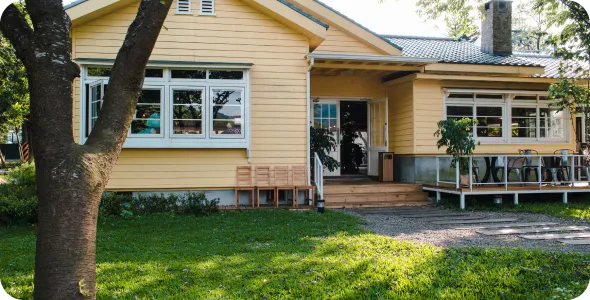
Our Pelican Preserve Landscaping & Yard Care Services
Pelican Preserve Gardening Services
Pelican Preserve Yard Clean Up
Why Choose Pelican Preserve Landscape Services

Pelican Preserve Homeowners Trust Us
-
Expert Lawn Maintenance
-
Reliable Irrigation Solutions
-
Comprehensive Weed Control
-
Competitive Pricing
-
Professional Team
-
Personalized Service
Contact Your Local Pelican Preserve DPW or Parks Department for Green Waste Info
Pelican Preserve is a master-planned residential community within the Fort Myers area of Lee County, Florida. Yard waste collection in this region operates year-round due to the subtropical climate, and residents should coordinate disposal through the Gateway Services Community Development District and Lee County Solid Waste Division. Key green waste guidelines include:
- Curbside collection: Grass clippings, leaves, and organic debris must be placed in biodegradable bags or bundled branches no longer than four feet
- Volume limits: Bulk yard waste exceeding standard pickup volumes requires scheduling a special collection
- Prohibited disposal: Lawn waste must never be placed in storm drains, streets, or regular household trash to protect water quality and stormwater infrastructure
- Commercial landscapers: Must register with the district and follow disposal fee structures for treated clippings and pesticide-contaminated materials
Composting is encouraged through Lee County facilities, where residents can drop off bulk brush and obtain free compost when available.
Gateway Services Community Development District Public Works
13240 Griffin Drive, Fort Myers, FL 33913
Phone: (239) 561-1313
Official Website: Gateway Services Community Development District Public Works
Gateway Services Community Development District Parks
13240 Griffin Drive, Fort Myers, FL 33913
Phone: (239) 561-1313
Official Website: Gateway Services Community Development District Parks
Lawn Care Regulations & Permits in Pelican Preserve, FL
Florida's statewide fertilizer regulations are among the most comprehensive in the nation. Under the Florida Fertilizer Use on Urban Turf Rule, the following apply to Pelican Preserve residents and lawn care operators:
- Phosphorus restrictions: Phosphorus application is prohibited unless a soil test confirms a deficiency
- Nitrogen limits: No more than 2 lbs of nitrogen per 1,000 sq ft per year for St. Augustinegrass; at least 50% must be slow-release
- Blackout period: Fertilizer containing nitrogen or phosphorus cannot be applied from June 1 through September 30 under Lee County's local fertilizer ordinance
- Buffer zones: A 10-foot no-fertilizer zone is required adjacent to any water body, with no spreader deflection allowed within that area
Commercial applicators must hold a Florida Department of Agriculture and Consumer Services Limited Commercial Fertilizer Applicator License. Pesticide applicators require separate certification through the FDACS Bureau of Licensing and Enforcement. Lee County enforces outdoor irrigation restrictions through the South Florida Water Management District, typically limiting watering to two days per week based on odd/even addresses, before 10:00 AM or after 4:00 PM.
City of Fort Myers Building Permitting and Inspections
2200 Second Street, Fort Myers, FL 33901
Phone: (239) 321-7910
Official Website: City of Fort Myers Building Permitting and Inspections
What Streets and Subdivisions Do We Serve in Pelican Preserve, FL?
Pelican Preserve encompasses several distinct subdivisions and micro-areas, each presenting unique lawn care considerations:
- The Links at Pelican Preserve — Homes along the golf course feature Immokalee fine sand soils with rapid drainage. Full-sun exposure favors Bermudagrass and Zoysiagrass, though HOA covenants mandate uniform turf appearance and regular edging along cart paths.
- Osprey Cove — Properties near the community's interior lakes sit on Boca fine sand with seasonally high water tables. St. Augustinegrass dominates, requiring careful irrigation management to prevent large patch disease in poorly drained lots.
- Plantation Road corridor — Single-family homes along this main artery feature larger lots with mature live oak canopy creating significant shade. Shade-tolerant Palmetto St. Augustinegrass performs best, and root competition demands supplemental fertilization.
- Tidewater Preserve area — Newer construction near the eastern boundary features compacted fill soils requiring core aeration. Proximity to wetland conservation buffers mandates strict adherence to the 10-foot no-fertilizer setback.
- Pelican Preserve Boulevard West — Coach homes and villas with smaller lots and shared landscape areas. HOA restrictions govern mowing height, hedge trimming schedules, and approved plant palettes.
- The Cottages near the Town Center — Attached residences with limited turf areas surrounded by ornamental beds. Sandy Myakka soils require frequent but light fertilization, and irrigation heads must be adjusted to avoid overspray onto hardscapes.
- Preserve areas adjacent to Six Mile Cypress Slough — Properties bordering this conservation corridor face wildlife-friendly landscaping requirements, restricted pesticide use, and mandatory native plant buffers to protect wetland habitat.
Partnering With Pelican Preserve's Conservation/Environmental Department for Sustainable Landscaping
Environmental stewardship in Pelican Preserve requires coordination with Lee County Natural Resources, which oversees wetland protection, habitat preservation, and water quality compliance under Florida Statute Chapter 373 and the federal Clean Water Act. Sustainable landscaping practices include:
- Native plant integration: Coontie, muhly grass, and firebush support native pollinators and reduce irrigation demand
- Rain garden installation: Captures stormwater runoff from impervious surfaces, filtering nutrients before they reach community lakes
- Organic amendments: Compost topdressing improves sandy soil water retention without synthetic chemical inputs
- Buffer zone compliance: Maintaining vegetated buffers along all water features per Lee County and SFWMD regulations
Lee County Natural Resources
1500 Monroe Street, Fort Myers, FL 33901
Phone: (239) 533-8000
Official Website: Lee County Natural Resources
Top Pelican Preserve Lawn Problems (and How We Solve Them)
Pelican Preserve's USDA Hardiness Zone 10a climate and sandy soils create specific turf challenges:
- Chinch bug infestations — Southern chinch bugs devastate St. Augustinegrass during hot, dry periods. Integrated pest management using Beauveria bassiana biological controls and resistant Floratam cultivars reduces chemical dependency.
- Large patch disease — Rhizoctonia solani thrives in warm, humid conditions on poorly drained soils. Reducing nitrogen applications in fall and improving air circulation through proper mowing height (3.5–4 inches) limits outbreaks.
- Take-all root rot — This fungal disease attacks stressed St. Augustinegrass roots. Soil acidification with manganese sulfate and maintaining proper pH (5.5–6.5) through the UF/IFAS Extension Soil Testing Laboratory supports recovery.
- Drought stress and heat damage — Sandy Immokalee and Myakka soils drain rapidly, requiring deep, infrequent irrigation (¾ inch per application) to encourage deep root growth.
- Nematode damage — Root-knot and sting nematodes are prevalent in Pelican Preserve's sandy soils, causing thinning and yellowing. Nematode-resistant grass varieties and organic soil amendments help suppress populations.
- Gray leaf spot — Pyricularia grisea attacks St. Augustinegrass during humid summer months. Avoiding excessive nitrogen and evening irrigation reduces disease pressure.
What Makes Lawns in Pelican Preserve Different From the Rest of Florida?
Pelican Preserve's location in southwest Florida's coastal plain creates distinctive horticultural conditions:
- Soil composition: Predominantly Immokalee fine sand and Myakka fine sand series with naturally acidic pH (4.5–5.5), rapid percolation, and low organic matter content per the USDA Web Soil Survey
- Growing season: 365 days of active growth with no frost risk in most years, though rare cold fronts can damage warm-season turf
- Hurricane zone: Located in a high-risk hurricane corridor, requiring storm debris management plans and wind-resistant landscape design
- Water table: Seasonally high water tables during the June–September wet season create temporary flooding in low-lying areas near interior lakes
- Microclimate: Proximity to the Caloosahatchee River and Gulf of Mexico moderates winter temperatures but increases humidity and salt exposure compared to inland Florida communities
The National Weather Service Tampa Bay forecast office monitors conditions affecting lawn care scheduling throughout the region.
Supporting Local Events in Pelican Preserve With Lawn Expertise
Community engagement within Pelican Preserve includes coordination with the Gateway Services CDD for maintaining common areas, athletic fields, and event spaces. Key activities include:
- Preparing community green spaces for seasonal festivals and holiday gatherings at the Town Center
- Supporting youth sports field maintenance through proper mowing, aeration, and overseeding schedules
- Coordinating hurricane debris cleanup with Lee County Emergency Management following tropical weather events
- Participating in Arbor Day and Earth Day educational programs through the Florida Forest Service County Forester program
- Partnering with UF/IFAS Lee County Extension for Florida-Friendly Landscaping workshops
Eco-Friendly Landscaping Backed by Pelican Preserve's Green Initiatives
Alignment with regional sustainability goals drives environmentally responsible lawn care in Pelican Preserve:
- Equipment electrification: Transitioning to battery-powered mowers and blowers reduces emissions and noise in this residential community
- Grasscycling: Leaving finely mulched clippings on turf returns nitrogen naturally, reducing fertilizer inputs by up to 25%
- Smart irrigation: Weather-based controllers and rain sensors comply with SFWMD water restrictions while preventing overwatering
- Pollinator corridors: Integrating native wildflower strips along community borders supports monarch butterflies and native bee populations
Gateway Services Community Development District Utilities
13240 Griffin Drive, Fort Myers, FL 33913
Phone: (239) 561-1313
Official Website: Gateway Services Community Development District Utilities
Proudly Serving These Streets and Areas in Pelican Preserve
Comprehensive lawn care coverage extends throughout Pelican Preserve's subdivisions and surrounding areas:
Central Pelican Preserve:
- Pelican Preserve Boulevard East and West
- The Town Center and Clubhouse vicinity
- The Links golf course residences
- The Cottages and coach home neighborhoods
Northern Pelican Preserve:
- Osprey Cove lakefront properties
- Plantation Road corridor homes
- Areas near Treeline Avenue and Daniels Parkway intersection
Southern and Eastern Pelican Preserve:
- Tidewater Preserve subdivision
- Properties adjacent to Six Mile Cypress Slough Preserve
- Homes along the conservation buffer zones near Ben C. Pratt/Six Mile Cypress Parkway
Special Considerations:
- Gated community access coordination required for all service visits
- HOA-approved maintenance schedules must be followed in each subdivision
- Conservation buffer zones near wetlands require pesticide-free management protocols
- Seasonal resident properties (October–April) may require adjusted service frequencies